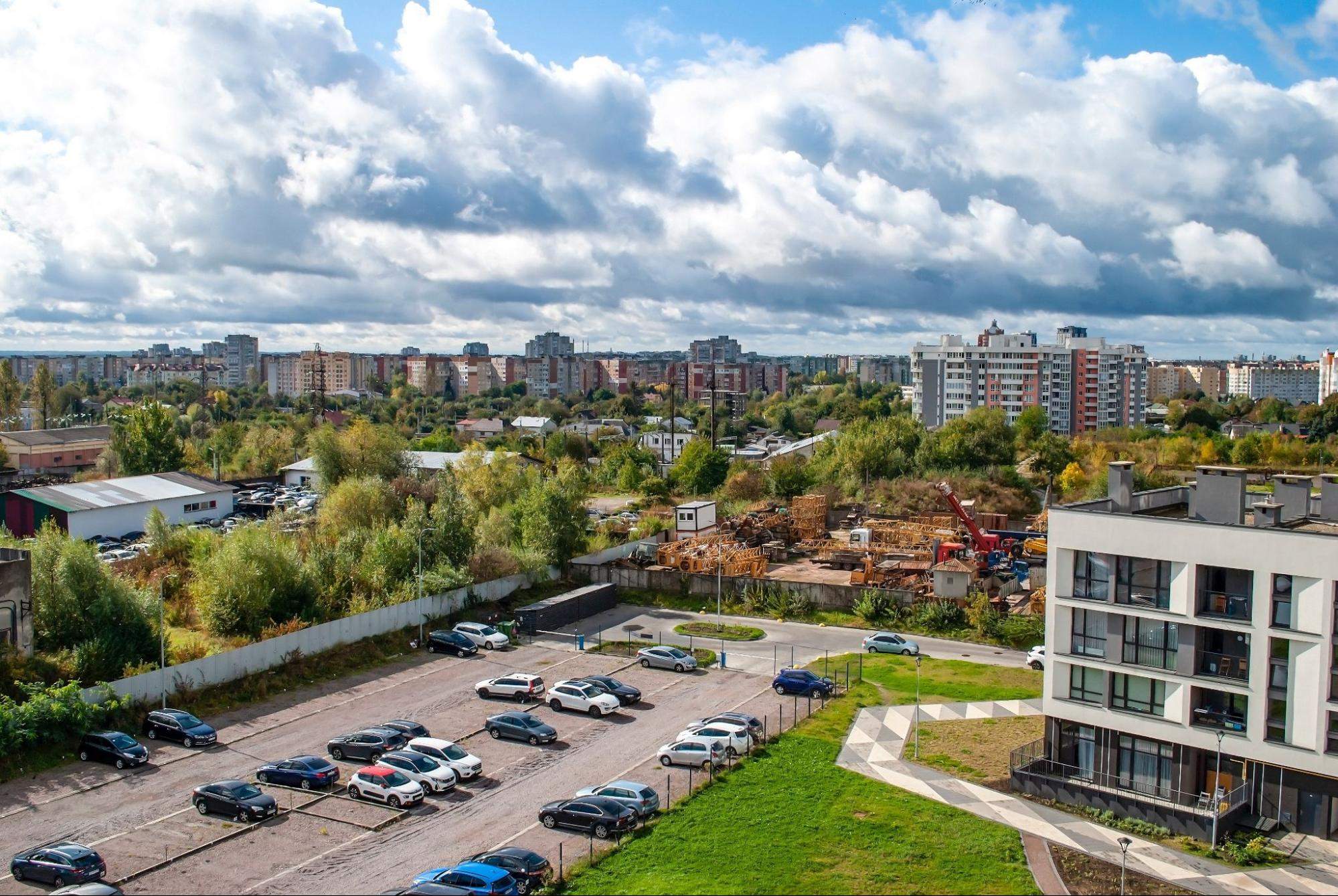
The window between Labour Day and the first hard freeze is shorter than most property owners realize. Once temperatures in Ontario begin cycling around the freezing mark, any water that has worked its way into a crack, a low spot, or a compromised joint will start doing structural damage with every drop in temperature. By the time spring arrives and the damage becomes visible, the repairs required are almost always more extensive than what a fall inspection and a few targeted treatments would have cost.
The good news is that fall is not a crisis window. It is a planning window, and for property managers and homeowners who use it well, it is also the most cost-effective maintenance window of the year.
- Why Fall Is the Most Important Maintenance Season for Ontario Pavement
- The Fall Asphalt Inspection: What to Look For Before You Book Anything
- What Must Be Completed Before the Ground Freezes
- What Can Wait Until Spring (and What Cannot)
- How Property Managers Should Approach Seasonal Scheduling
- Book Your Fall Assessment Before the Schedule Fills Up
Why Fall Is the Most Important Maintenance Season for Ontario Asphalt
Asphalt is more vulnerable to Ontario winters than most people account for. The issue is not the cold itself. Asphalt handles sustained cold well. The problem is the transition: temperatures that rise above zero during the day and drop back below it overnight, sometimes repeatedly over several weeks. Each cycle pulls water into any existing crack, freezes it, expands the crack, and then releases it. Repeat this enough times and what was a hairline crack in September becomes a structural fracture by March.
This is what makes fall maintenance so valuable. Crack filling, sealcoating, and patching applied before the freeze-thaw season begins serve as a barrier against the specific mechanism that causes the most damage. Applied after the season ends, in the spring, they are corrective. Applied before, they are protective. The scope and cost are rarely the same.
The Fall Asphalt Inspection: What to Look For Before You Book Anything
Before booking any maintenance service, a proper walk of the property will tell you where to prioritize. Not every crack requires the same response, and not every surface condition is urgent heading into winter.
When walking your parking lot or driveway in September or October, pay attention to:
- Surface colour and texture: Grey, faded asphalt has lost its binder flexibility. It is more likely to crack under thermal stress than darker, recently sealed pavement.
- Crack width and pattern: Hairline cracks and linear cracks are filling candidates. A web-like alligator pattern across a section indicates a base layer issue that crack filling alone will not resolve.
- Pooling water: Areas where water collects and sits after rain are telling you the surface has settled or deformed. These spots will trap melt water all winter.
- Edge condition: Separation along the driveway perimeter or at curb lines allows water to track underneath the surface layer and undermine the base.
- Pothole formation or pre-pothole depressions: Any soft, spongy, or bowl-shaped section needs to be assessed before freeze-thaw cycles finish the job.
If there is meaningful damage across multiple categories, a professional assessment will give you a clearer picture of repair sequence and priority. Action Paving offers on-site estimates for both residential and commercial properties across Ontario, and that conversation early in the fall will save time when the weather window tightens in October.
What Must Be Completed Before the Ground Freezes
Some maintenance work is truly time-sensitive. These are the services where the fall deadline matters most.
Crack Filling
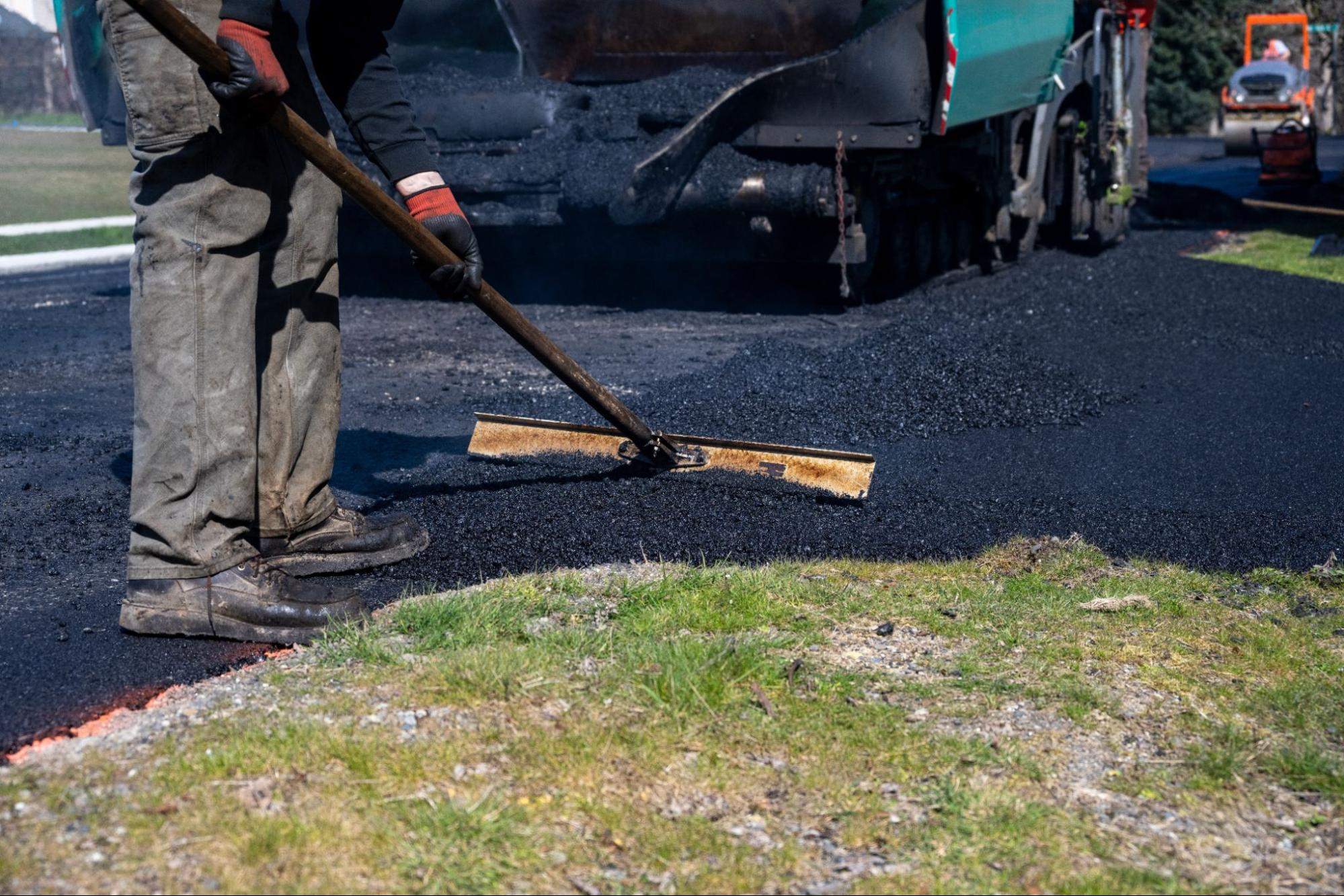
Crack filling needs to be done while the pavement is warm enough for the material to bond and flexible enough to accommodate slight movement. As temperatures fall below the ideal application range, adhesion suffers. Any open crack heading into winter is an invitation for water infiltration and freeze-thaw damage. This is the single highest-priority fall task for most properties.
Asphalt Patching and Pothole Repair
Potholes and soft spots do not improve over winter. They expand. Any section of pavement that has already begun to fail structurally will deteriorate significantly faster under the stress of freeze-thaw cycles, road salt, and snow clearing equipment. Addressing these before the ground freezes prevents a localized problem from spreading into the surrounding pavement.
Catch Basin Inspection and Repair
Catch basins take on heavy load in the fall and winter, managing runoff from rain, snowmelt, and ice control. A basin with damaged casting, a sunken surround, or a compromised seal will become a structural problem by spring. Clearing debris and confirming the basin is in sound condition before winter is a straightforward task that prevents drainage failures at the worst time of year.
Sealcoating (Where Applicable)
Sealcoating has a clear temperature window. Most manufacturers specify a minimum ambient temperature for application, and night temperatures need to stay above freezing long enough for the material to cure properly. In Ontario, this window typically closes in October, though it varies year to year. Sealcoating applied within this window adds a layer of protection against oxidation, water infiltration, and road salt damage through the winter. Sealcoating attempted outside the window does not cure properly and offers no meaningful protection.
What Can Wait Until Spring (and What Cannot)
Not every issue needs to be resolved before winter, and part of effective fall planning is knowing which repairs to defer without creating risk.
Line painting and marking can almost always wait until spring. Paint adheres better to warm, dry asphalt, and repainting a lot in late October often means faded markings by April anyway. If markings are safety-critical, address them, but cosmetic refreshing can hold.
Surface overlays and resurfacing projects are generally spring and summer work. The materials, equipment, and curing requirements all perform better in warmer conditions.
What cannot wait without consequence: open cracks, structural soft spots, and drainage failures. These do not pause for winter. They worsen with it.
Kyle Gryshchenko, who founded Action Paving Inc. and has been running crews across Ontario since 2019, puts it plainly: the clients who call in the spring upset about the state of their pavement are almost always the ones who skipped crack filling in October. The work they needed was a fraction of what they end up booking in April.
How Property Managers Should Approach Seasonal Scheduling
For commercial property managers overseeing multiple sites, fall maintenance planning requires a slightly different approach than residential. The considerations are not just technical. They are logistical.
A few principles worth building into your fall process:
- Start early. Crews book out quickly in September and October. Properties that start their assessment process in late August are in a better position to schedule work during optimal conditions, rather than scrambling in November.
- Prioritize by risk. Not every property in your portfolio has the same exposure. High-traffic lots, properties with drainage issues, and sites that had visible cracking or patching done during the previous season should move to the top of the fall list.
- Document condition before winter. A photo walk in September creates a useful baseline. When spring rolls around and damage has occurred, you will want to know what existed before the snow came and what developed after.
- Separate emergency from maintenance budgets. Fall crack filling and sealcoating are maintenance-budget items. Emergency pothole repairs in February are a different line. Addressing the former tends to reduce the latter.
- Confirm your snow clearing contractor’s equipment before the season. Heavy snow plows can damage aged or unrepaired asphalt surfaces. Knowing the surface condition before the first plow goes through is useful information.