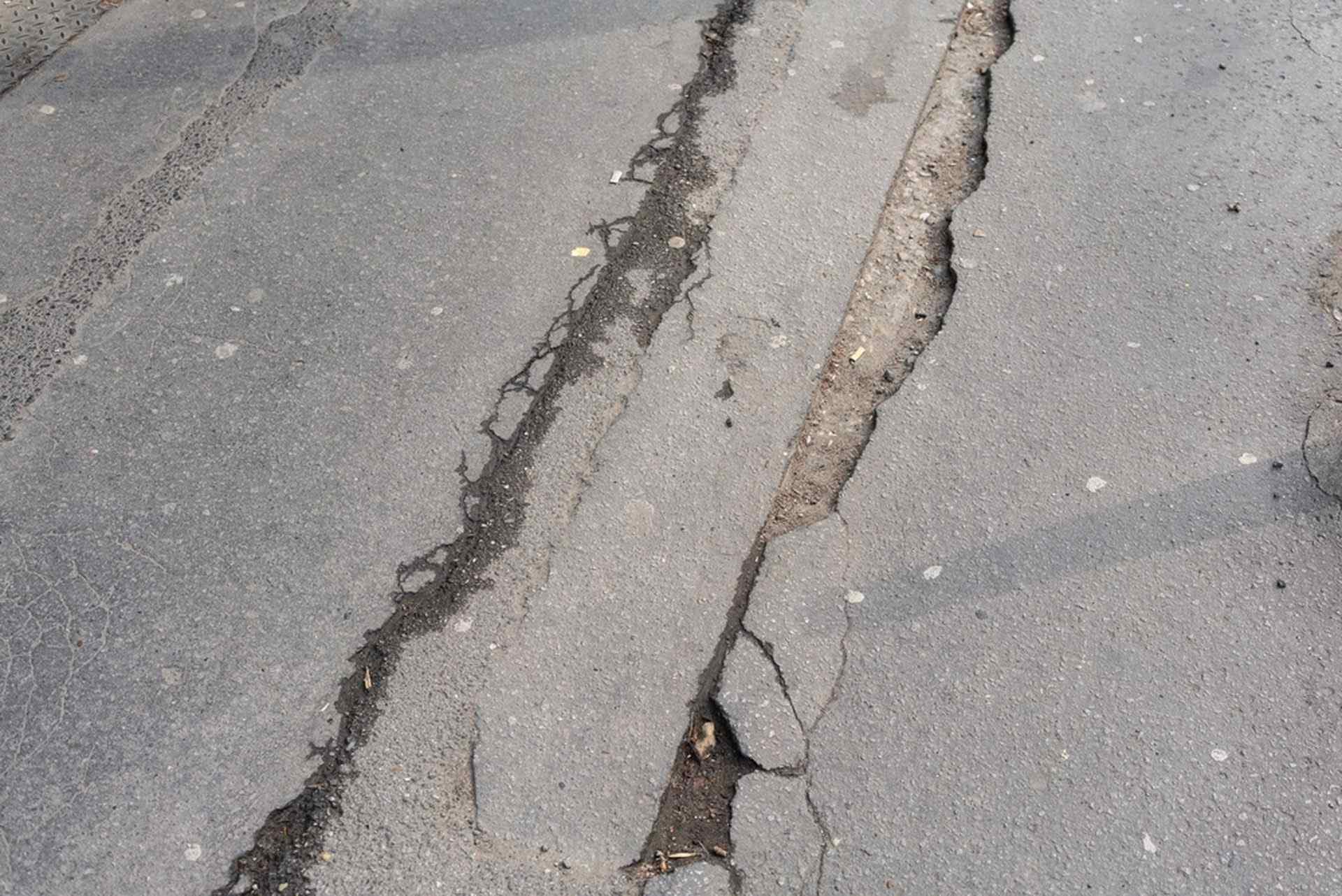
Most people associate asphalt damage with winter. Snow, ice, and freezing temperatures are usually blamed for potholes and pavement failure. While winter absolutely weakens asphalt, summer heat creates a different type of damage that many property owners overlook.
Once temperatures rise, asphalt surfaces begin reacting to heat, traffic pressure, sunlight, and moisture differently. Small cracks that formed during colder months often spread faster during summer. Parking lots soften under heavy traffic. Driveways begin fading and drying out. Areas that already experienced stress during winter quickly become more unstable once extreme heat arrives.
For commercial properties and residential driveways alike, understanding how summer affects asphalt is one of the best ways to prevent larger pavement problems later.
Preventative asphalt maintenance, including sealcoating and crack filling, plays a major role in protecting pavement during high-temperature months and extending overall asphalt lifespan.
Why Does Asphalt Crack More During Summer?
Summer heat places continuous stress on asphalt surfaces. Asphalt naturally absorbs heat throughout the day. During hotter weather, pavement temperatures rise significantly higher than the outside air temperature itself. On large parking lots and exposed driveways, the surface can become extremely hot for extended periods.
This heat causes asphalt to soften slightly and expand. Once traffic pressure is added, especially in high-use commercial areas, weaker sections of pavement begin deteriorating faster. Areas that already contain small cracks or surface wear become vulnerable to further separation and breakdown.
The problem becomes worse when moisture has already weakened the pavement structure earlier in the year. By summer, those previously damaged areas are less stable and far more likely to crack under heat and traffic stress.
What Types of Asphalt Cracks Become Worse During Summer?
Not all asphalt cracks develop the same way. Some cracks are caused primarily by aging pavement, while others form because of traffic pressure or structural weakness below the surface. Summer heat tends to accelerate all of them once the asphalt becomes softer and more flexible.
Common asphalt cracks that worsen during hotter months include:
- Longitudinal cracks running with traffic flow
- Transverse cracks crossing the pavement
- Edge cracking along weaker sides of asphalt
- Alligator cracking caused by structural failure
Once these cracks open further, water begins penetrating deeper below the pavement surface, increasing the likelihood of potholes and larger failures later.
Why Does Sunlight Damage Asphalt Over Time?
UV exposure slowly weakens asphalt every year. As pavement sits exposed to direct sunlight, oxidation begins drying out the surface oils that help asphalt remain flexible. Over time, the pavement becomes more brittle and increasingly vulnerable to cracking.
This process happens gradually, which is why many parking lots and driveways begin turning from deep black to faded grey as they age. Once oxidation advances, the asphalt loses elasticity and becomes far more susceptible to:
- Surface cracking
- Brittleness
- Moisture penetration
- Accelerated wear
Summer heat speeds up this deterioration process significantly, especially on surfaces that have not been sealcoated properly.
How Does Traffic Pressure Affect Asphalt During Summer?
Heat alone does not usually cause pavement failure. The bigger issue is the combination of heat and traffic pressure together. Asphalt becomes more flexible during hotter weather. Commercial parking lots experience repeated stress from braking, turning, delivery vehicles, and constant traffic movement throughout the day.
This pressure affects weaker areas first. Entrances, drive lanes, loading zones, and heavily used parking sections usually begin deteriorating faster because traffic repeatedly concentrates on those same areas.
Over time, the pavement structure weakens further and cracks continue spreading throughout the surface. For commercial properties, this is why summer maintenance planning becomes so important. Heavy traffic combined with heat accelerates deterioration quickly once the pavement begins weakening.
How Does Sealcoating Help Protect Asphalt from Summer Heat?
Sealcoating acts as a protective barrier across the asphalt surface. A properly applied sealcoat helps reduce damage caused by:
- UV exposure
- Moisture penetration
- Oxidation
- Oil and chemical spills
- Traffic wear
By protecting the pavement surface, sealcoating helps asphalt retain flexibility longer and slows the drying process caused by sunlight and heat.
Sealcoating also improves the appearance of parking lots and driveways by restoring a darker, more uniform finish. For commercial properties, this creates a cleaner and more professional appearance while helping extend pavement lifespan. For homeowners, it helps improve curb appeal and reduce long-term repair costs.
Why Is Crack Filling Important Before Summer Temperatures Peak?
Crack filling helps stop water and heat from worsening existing pavement damage. Once cracks are left exposed during hotter months, traffic pressure and heat continue widening them. Moisture enters below the surface, weakening the base layer and accelerating structural deterioration.
Crack filling seals vulnerable openings before larger damage develops. For commercial parking lots and residential driveways, this is one of the most cost-effective preventative maintenance services available because it addresses problems early instead of waiting for extensive repairs later. The earlier cracks are filled, the easier it becomes to preserve pavement condition throughout summer.
What Happens If Asphalt Maintenance Is Delayed Too Long?
Asphalt deterioration rarely stays isolated. What begins as surface fading or light cracking gradually spreads deeper into the pavement structure over time. Summer heat accelerates this process because softer asphalt becomes more vulnerable to pressure and wear.
Without maintenance, small issues often become:
- Potholes
- Unstable pavement sections
- Surface separation
- Larger asphalt repairs
For commercial properties, delayed maintenance can also create safety concerns and negatively affect traffic organization and overall appearance. Preventative maintenance almost always costs less than waiting for structural repairs later.
How Can Commercial Properties Reduce Summer Asphalt Damage?
Commercial parking lots experience some of the highest pavement stress levels during warmer months. Properties with heavy traffic should focus on preventative maintenance before summer heat and peak traffic periods create additional surface wear. This usually includes:
- Crack filling early in the season
- Routine sealcoating
- Parking lot line painting
- Regular pavement inspections
Maintained parking lots remain safer, easier to navigate, and more cost-effective to manage long-term. For businesses, pavement condition also affects customer perception. A clean and organized parking lot creates a stronger first impression than one with visible cracking and faded surfaces.
Why Is Routine Asphalt Inspection Important?
Many asphalt problems begin developing long before major damage becomes visible. Routine inspections help property owners identify:
- Early cracking
- Weak pavement sections
- Fading surfaces
- Traffic wear patterns
- Moisture-related deterioration
By catching these issues early, maintenance work can usually remain preventative rather than reactive. This is especially important before and during summer when heat and traffic pressure increase stress across the pavement surface.
What Are the Signs Your Asphalt May Already Need Maintenance?
Parking lots and driveways usually show warning signs before major failure develops. Some of the most common indicators include:
- Fading or grey asphalt
- Cracks spreading across the surface
- Rough driving areas
- Loose asphalt edges
- Standing water after rainfall
These signs usually indicate the pavement is already beginning to weaken and should be addressed before the damage spreads further.
Frequently Asked Questions About Asphalt Cracking in Summer
Does hot weather directly crack asphalt?
Heat alone usually does not cause cracking. Cracks typically form because of existing weakness, oxidation, moisture penetration, and traffic pressure that worsen during hotter temperatures.
Why does asphalt look faded during summer?
UV exposure and oxidation gradually dry out the pavement surface, causing asphalt to lose its darker finish over time.
Can sealcoating help prevent summer asphalt damage?
Yes. Sealcoating helps protect asphalt from sunlight, moisture, oxidation, and traffic wear while extending pavement lifespan.
Should cracks be filled before summer?
Absolutely. Crack filling helps stop moisture and heat from worsening existing pavement damage during hotter months.
Why do parking lots deteriorate faster than driveways?
Commercial parking lots experience heavier traffic pressure, repeated turning movements, delivery vehicles, and concentrated wear throughout the day.